
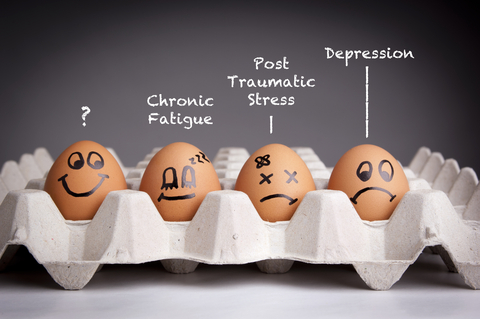

Post Traumatic Stress Disorder is most often associated with the horrific experiences of our military personnel, but in actuality it’s an anxiety disorder that applies to many other circumstances as well. As you may have guessed, one of these is Post Traumatic Stress affecting those with cancer.
According to a report cited by cancer.net, Post Traumatic Stress (PTSD) has affected almost 25% of women who’d been diagnosed with breast cancer.* Of course, it makes sense that anyone diagnosed with any form of cancer would be taken aback when first told of his or her condition. However, cancer.net has provided a few warning signs to take notice of if they’ve not subsided over time. The following bullet points are direct quotes from the cancer.com post.* (To read the source article in its entirety, please click here.)
- “Nightmares and flashbacks”
- “Avoiding places, events, people, or things that bring back bad memories”
- “Strong feelings of guilt, hopelessness, or shame”
- “Trouble sleeping or concentrating”
- “Continuous feelings of fear or anger”
- “Loss of interest in activities and relationships that used to be enjoyable”
- “Self-destructive behavior, such as drug or alcohol abuse”
- “Frightening or unwanted thoughts”
- “Difficulty feeling emotions”
Anyone who’s gone through the nightmare of cancer might experience PTSD; yet others who have may not. However, cancer.com’s piece does list those who may be the most impacted by PTSD:
- “People who have had PTSD or other mental health conditions before being diagnosed with cancer
- “Women from minority groups”
- “People with high levels of overall stress”
- “People who use avoidance strategies to cope with stress, such as drugs or alcohol”
- “People with less formal education”
- “People with low or no income”
- “Single people”
The article goes on to state that those who care for cancer patients might also experience PTSD; particularly if they’re family. But conveniently, they do provide a list of treatment options. Listed below are more direct quotes from cancer.net regarding the management of this condition:
- “Psychotherapy. This means talking with a mental health professional, like a counselor, who has experience treating PTSD. Some counselors specialize in helping people who have or have had cancer. Therapy can be done 1-on-1 or in a group setting. Some health insurance companies pay for a portion of the treatment. Read more about the benefits of counseling.”
- “Medications. Antidepressants and anti-anxiety drugs can help manage PTSD symptoms, such as sadness, anxiety, and anger. Medication is often used in combination with psychotherapy.”
- “Support groups. Support groups can help people cope with the emotional aspects of cancer. They provide a safe place to share experiences and learn from other people facing similar situations. Research shows that support groups can help people with cancer feel less depressed and anxious and become more hopeful. Learn more about support groups.”
If you or anyone you know is affected by PTSD, as you can see you’re not alone. Nor do you have to suffer alone. The article’s link printed above provides several avenues from which you can seek help if this condition impacts you.
Source: cancer.net
Sundicators: The Best Skin-surance Under the Sun!